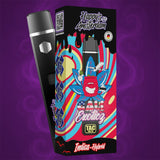


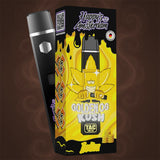


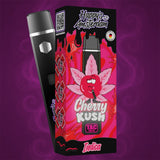

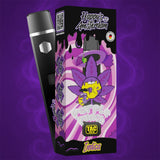


Cannabinoid glossary: TAC, THC, CBD, HHC & co. clearly explained
Vapes come with lots of abbreviations: TAC, THC, CBD, HHC. This glossary explains what they stand for, how they differ and how they are classified under German law. Last updated: November 2026.


Cannabinoids at a glance
The key abbreviations at a glance. You will find detailed explanations in the sections below.
| Abbreviation | Stands for | Status in Germany |
|---|---|---|
| TAC | Total Active Cannabinoids | In our range |
| THC | Tetrahydrocannabinol | KCanG and MedCanG: not available for general sale |
| CBD | Cannabidiol | Marketable subject to conditions |
| HHC | Hexahydrocannabinol | BtMG Annex II since 23 May 2026 |
| 10-OH-HHC | Hydroxy-hexahydrocannabinol | NpSG: no longer marketable |
TAC
Meaning: Total Active Cannabinoids, meaning all of the active cannabinoids in a product.
Origin: Obtained from certified industrial hemp. Happy's Amsterdam vapes are made from 95% industrial hemp and are produced in Germany.
Classification in Germany: TAC vapes are nicotine-free disposable vapes containing a cannabinoid extract and terpenes. We have summarised how we assess the regulatory situation on a separate page. That page is not a substitute for advice from a lawyer.
What makes TAC vapes special · TAC vapes and the regulatory situation in Germany · Go to the TAC vape collection
THC
Meaning: Tetrahydrocannabinol, the best-known psychoactive cannabinoid in the cannabis plant.
Status under German law: Since 2024, cannabis containing THC has been covered by the German Consumer Cannabis Act (KCanG) and the German Medical Cannabis Act (MedCanG). Only material with no more than 0.3% THC counts as industrial hemp. Vapes and liquids containing THC are not available for general sale in Germany. Happy's Amsterdam does not sell any THC products.
THC vapes and the regulatory situation in Germany
CBD
Meaning: Cannabidiol, a non-intoxicating cannabinoid from the hemp plant.
How it differs: CBD is not psychoactive and is therefore treated differently from THC under the law.
Status under German law: CBD products made from certified industrial hemp are marketable subject to conditions.
HHC
Meaning: Hexahydrocannabinol, a semi-synthetic cannabinoid obtained from hemp components through hydrogenation.
Status under German law: Since 23 May 2026, HHC has been listed in Annex II of the German Narcotics Act (BtMG). This means the rules for narcotics apply to HHC: manufacturing, trading, buying and possessing it are criminal offences.
At Happy's Amsterdam: We do not sell any HHC products. Our range consists of TAC vapes.
Difference between CBD, HHC, THC and TAC · View TAC vapes
10-OH-HHC
Meaning: A metabolite or derivative of HHC that was sold for a time as a separate product category.
Status under German law: 10-OH-HHC is covered by the German New Psychoactive Substances Act (NpSG) and is therefore no longer marketable.
Other substances
We have published separate articles on some other cannabinoids.
Frequently asked questions
What does TAC mean for vapes?
TAC stands for Total Active Cannabinoids and refers to the sum of the active cannabinoids in a product. At Happy's Amsterdam, these come from certified industrial hemp.
What is the difference between TAC and THC?
THC refers to a single active substance that is covered by the KCanG and the MedCanG in Germany. TAC, on the other hand, describes the entire cannabinoid profile of a product. Read the detailed comparison
Why are HHC vapes no longer available?
Since 23 May 2026, HHC has been listed in Annex II of the BtMG. That is why we do not sell any HHC products. Our range consists of TAC vapes.
How are TAC vapes classified under German law?
TAC vapes are nicotine-free disposable vapes containing a cannabinoid extract and terpenes. You can find our assessment on a separate page about the regulatory situation. It is not a substitute for advice from a lawyer.
Which strain is right for me?
The strains differ in their terpene profile and character. Indica, sativa or hybrid: an overview
Disclaimer
This glossary is for information purposes only and does not constitute advice on matters of law or health. The way individual substances are assessed under the law may change. Last updated: November 2026.