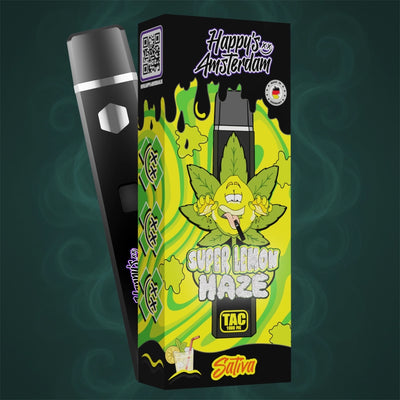

A free sale of THC-containing vapes to end consumers is not provided for in Germany. The Konsumcannabisgesetz (KCanG, the German Consumer Cannabis Act) regulates possession and private home cultivation of cannabis for adults, but it does not open up trade in cannabis. This article shows where this is set out in the law.
What changed with the Consumer Cannabis Act?
The KCanG entered into force on 1 April 2024. Since then, Annex I of the Narcotics Act (Betäubungsmittelgesetz, BtMG) no longer lists cannabis as a separate entry. Under section 2 (1) KCanG, it is in principle prohibited to possess or acquire cannabis, to trade in cannabis, to give it away or pass it on, and to import or export it. Section 2 (3) exempts persons aged 18 and over from these prohibitions within the legal rules on home cultivation, cultivation associations and possession quantities.
What counts as cannabis in legal terms?
Section 1 no. 8 KCanG describes cannabis as plants, plant parts and resin of the genus Cannabis, including active substances and preparations made from them. Exempt are, among others, cannabis for medical purposes, CBD, industrial hemp and propagation material. Under section 1 no. 10, a preparation is a mixture of substances or the solution of one or more substances, other than naturally occurring mixtures and solutions.
Whether a specific THC-containing vape product counts as cannabis under the KCanG or falls under the BtMG as a synthetically produced substance depends on how it was made. This cannot be answered across the board.
What role does the Narcotics Act play?
THC is still listed in the BtMG. Δ9-THC is listed in Annex II. Exempt are cannabis for medical or medical-scientific purposes within the meaning of the Medical Cannabis Act and non-synthetic forms that are in circulation for non-medical purposes. Other THC isomers such as Δ8-THC and Δ10-THC are listed in Annex I, with similar exemptions. In each case, the exemption applies only to non-synthetic forms.
Is THC available on a doctor's prescription?
Medical cannabis can be prescribed by a doctor under the Medical Cannabis Act (Medizinal-Cannabisgesetz) and dispensed through pharmacies. This is a separate route with its own rules and not a substitute for free sale.
Where can I find the status for HHC and 10-OH-HHC?
HHC and 10-OH-HHC are regulated differently from THC. You can find the current status with sources in the article 10-OH-HHC ban: What applies in Germany. The rules for cannabinoids are reviewed and adjusted regularly. This article is not legal advice and reflects the status as of 6 October 2026.